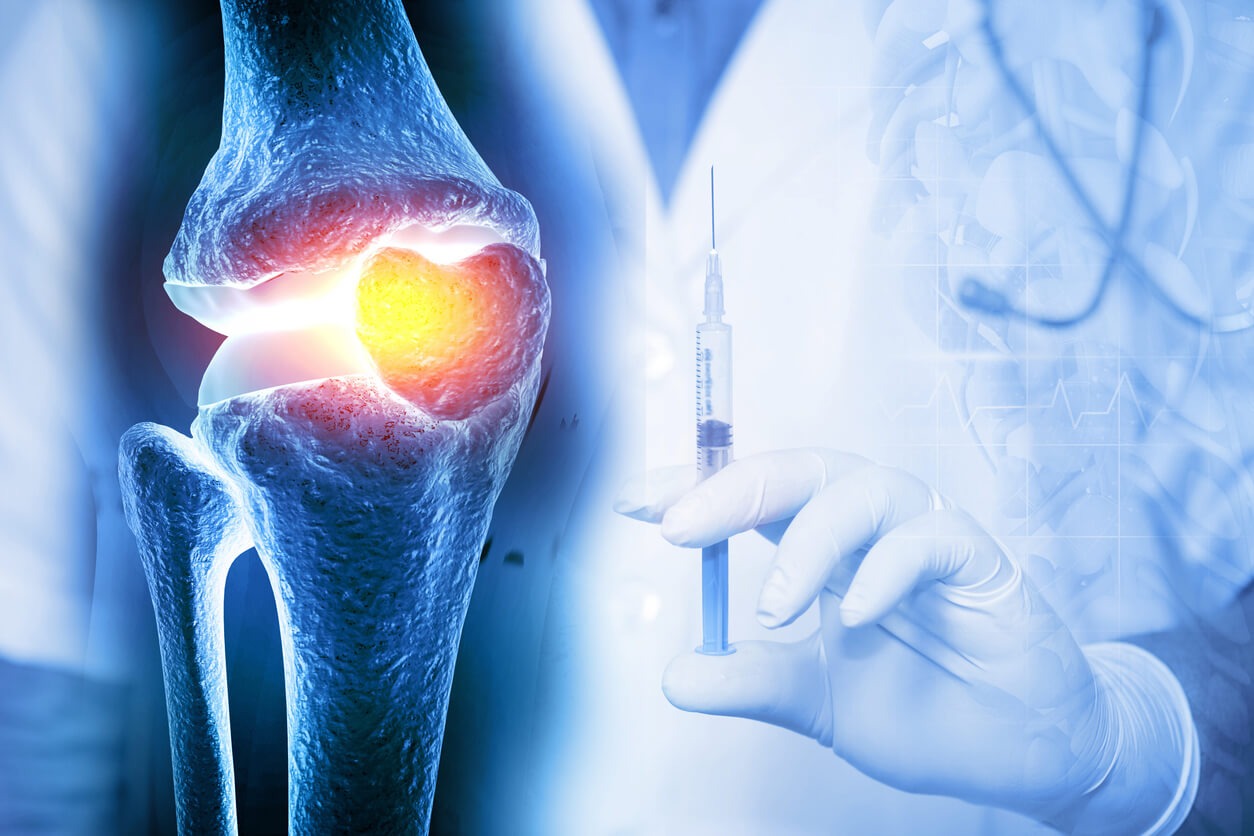
What Are PRP Injections and How Do They Help with Joint Pain?
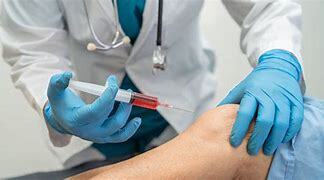
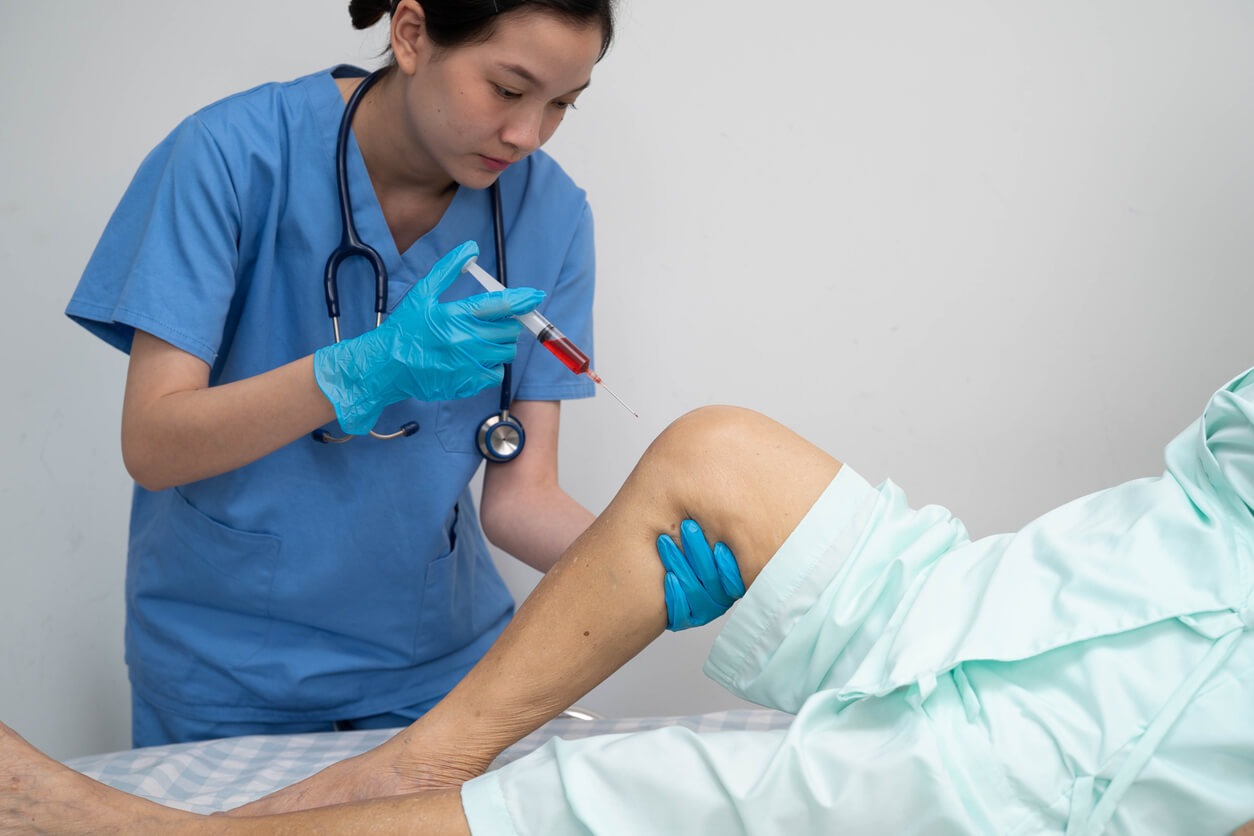
Platelet-Rich Plasma (PRP) injections are a cutting-edge, natural treatment designed to help relieve joint pain and promote healing. PRP is made from a small sample of your own blood, which is processed to concentrate the platelets — the cells responsible for healing and tissue repair.
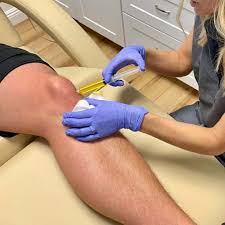
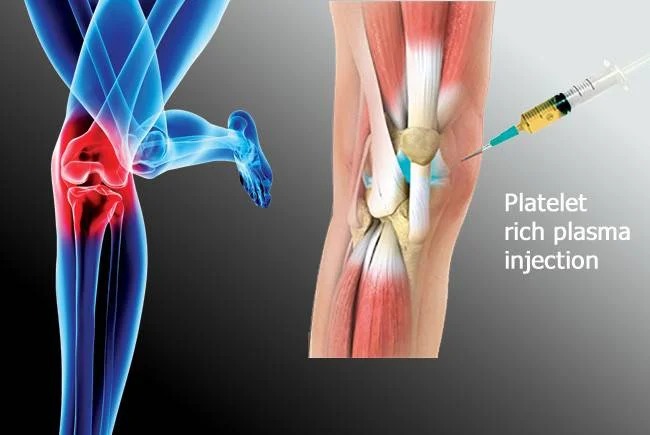
When injected into a painful joint, PRP releases growth factors that stimulate the body’s natural healing process. This can reduce inflammation, encourage tissue regeneration, and improve joint function. PRP therapy is commonly used for conditions like osteoarthritis, tendonitis, and ligament injuries.
Because PRP uses your own blood, it is considered a safe and minimally invasive alternative to surgery or long-term medication. Many patients experience reduced pain, improved mobility, and a better quality of life after treatment.
0%
Satisfied Clients
Proud to deliver real results with lasting client satisfaction.
PRP Explained
What is PRP?
What is PRP?
Platelet-rich plasma (PRP) injections are gaining popularity for a variety of conditions, from sports injuries to hair loss. The treatment uses a patient’s own blood cells to accelerate healing in a specific area.
Platelet Rich Plasma therapy has show to help patients with a range of medical and aesthetic ailments, and has been used in the medical field for the last 50 years. Throughout the last 2 decades it has been used increasingly in aesthetic medicine.
When a patient’s platelets are activated by the procedure, studies have repeatedly shown that growth factors are released in the blood, skin and tissue that aid the repair and regeneration of tissues.
0%
Satisfied Clients
Proud to deliver real results with lasting client satisfaction.
How PRP Helps Lichen Planus
Lichen planus is a chronic inflammatory condition that affects the skin and mucous membranes, causing itchy, purple, flat-topped bumps or patches. It is believed to be an autoimmune disorder where the body’s immune system attacks the skin.
Platelet-Rich Plasma (PRP) therapy uses a concentration of a patient’s own platelets, which are rich in growth factors and healing proteins. When injected into affected areas, PRP helps by:
Reducing inflammation: Growth factors in PRP modulate the immune response, helping calm the chronic inflammation that causes lichen planus symptoms.
Promoting tissue repair: PRP stimulates the regeneration of healthy skin cells, encouraging healing of damaged skin and mucosa.
Enhancing collagen production: This helps restore skin texture and thickness, improving the appearance of affected areas.
Minimizing symptoms: Many patients experience decreased itching, redness, and discomfort after PRP treatment.
Since PRP uses your body’s own natural healing components, it is generally safe with minimal risk of side effects.
How PRP Helps Peyronie’s Disease
Peyronie’s disease is a condition characterized by the development of fibrous scar tissue inside the penis, causing curved, painful erections and sometimes erectile dysfunction. PRP therapy offers a promising regenerative approach to help manage this condition.
What is PRP? PRP is a concentration of platelets derived from the patient’s own blood. Platelets contain growth factors that stimulate tissue repair and healing.
How PRP Works in Peyronie’s Disease:
Promotes Tissue Healing: The growth factors in PRP encourage the repair and remodeling of the fibrous plaque causing the curvature.
Reduces Inflammation: PRP can help modulate the local inflammatory response that contributes to plaque formation and pain.
Improves Blood Flow: By stimulating angiogenesis (formation of new blood vessels), PRP may enhance blood supply to the affected tissue, aiding in healing and function.
Stimulates Collagen Remodeling: PRP helps break down abnormal scar tissue while promoting healthier collagen formation, which can reduce curvature and improve penile elasticity.
0%
Satisfied Clients
Proud to deliver real results with lasting client satisfaction.
Procedure:
PRP is prepared from the patient’s blood and injected directly into the plaque or affected area under ultrasound guidance. Multiple sessions may be recommended for optimal results.
Benefits:
Minimally invasive
Uses the patient’s own blood, reducing risk of allergic reactions
Can be combined with other treatments such as traction therapy or medications for enhanced effect